

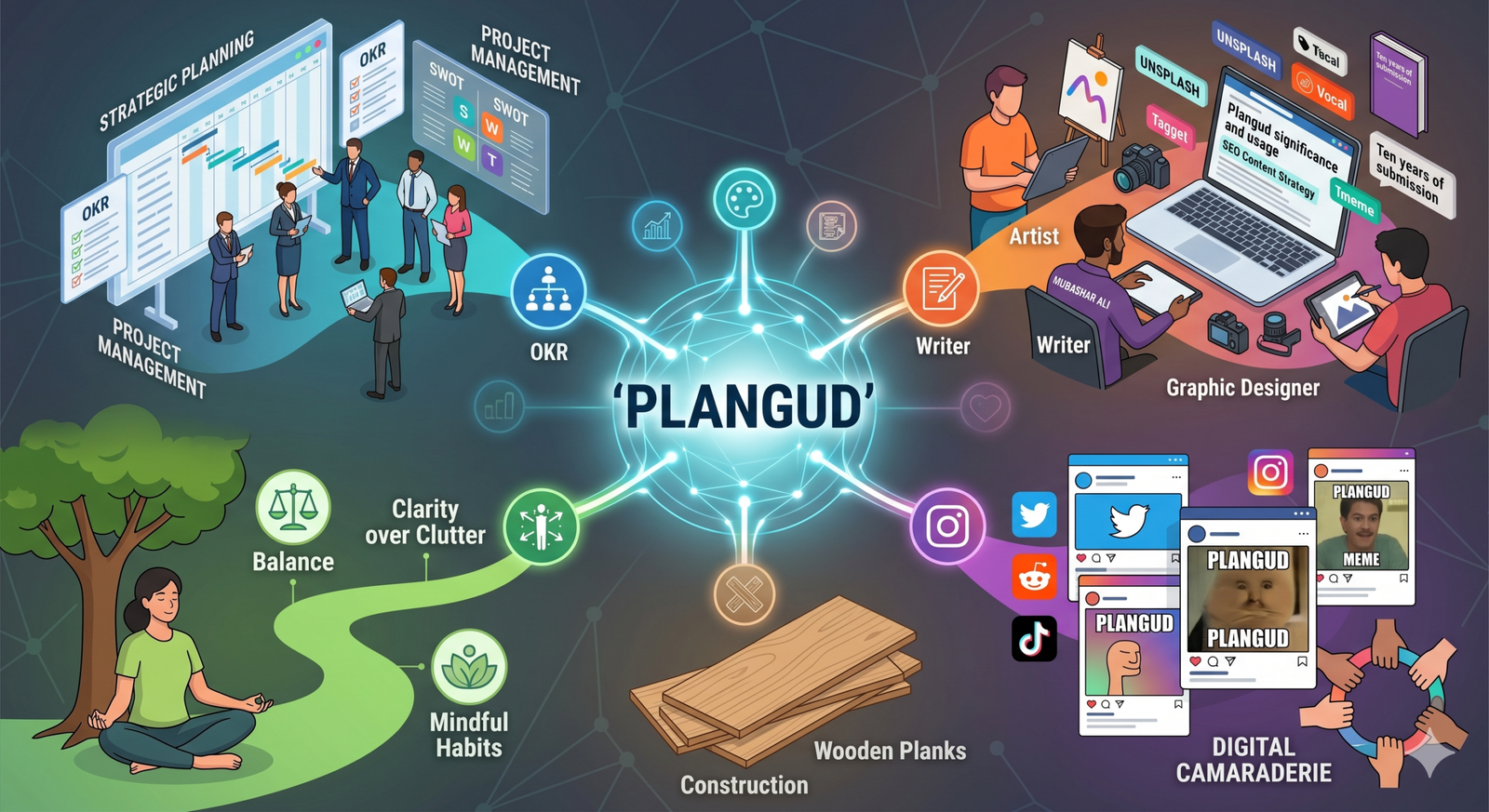
Plangud is a modern digital concept that blends structured planning, productivity systems, and online cultural expression. It functions as both a methodology and a neologism, helping individuals and teams organize tasks, improve SEO strategies, and build stronger digital communities. With benefits like better organization, scalability, and enhanced collaboration, Plangud is used across project management, content creation, and social media. It reflects the evolving nature of internet language while offering practical tools for efficient workflows and creative engagement.
In recent years, the term Plangud has begun making waves within various forums and communities across the internet. While it may not yet be a household name, understanding it’s significance and usage provides insight into evolving digital culture and the interconnectedness of information in our modern age. It is a multifaceted neologism representing a blend of structured planning, digital camaraderie, and creative expression. It works by providing a linguistic or technical framework that allows users to organize ideas, foster community bonds, and optimize digital content.
The main benefits of it include improved organization, increased productivity, and enhanced digital connection. Its primary uses span from project management and SEO content strategy to acting as a cultural marker for shared understanding in online spaces. The core components of it often involve a clear purpose, adaptable frameworks, and regular reviews to ensure meaningful outcomes.
What is Plangud?
Plangud is a versatile term and tool used to describe structured planning methodologies, digital productivity platforms, and evolving internet slang. At its core, the meaning of it encompasses a myriad of interpretations depending on the context. Emerging from conversational language, it functions as a neologism—a new expression gaining popularity amongst community groups in the digital realm.
The plangud neologism definition focuses on themes of creativity, collaboration, and innovation. It represents the evolving lexicon of internet culture, showing how language transforms to meet new technological needs. Whether viewed as a plangud system or a linguistic trend, it embodies the spirit of contemporary digital interactions.
You Might Also Like: Sodiceram
Core Idea Behind Plangud
The origins of plangud are deeply connect to online culture. It likely emerged from social media platforms like Twitter, Reddit, and Instagram, where users engage in playful banter and invent phrases to communicate in fast-paced environments. The core idea is built upon the digital camaraderie ethos, where shared language creates a sense of belonging.
This concept reflects digital culture trends where informal nature and fluidity are prioritized. In this context, it acts as a bridge between different communities, allowing for a shared connection that transcends geographical boundaries. It is a symbol of a lifestyle that values spontaneity and creative versatility.
Benefits of Plangud
There are 5 main benefits of it for professionals and creators:
-
Improved Organization: It reduces chaos by providing a structured approach to tasks.
-
Enhanced Visibility: For bloggers, it functions as a tool for plangud SEO content and keyword analysis, helping posts reach a wider audience.
-
Scalability: The plangud scalability allows it to adapt from micro-enterprises to decentralized teams.
-
Strategic Alignment: It encourages a focus on Strategic Planning and KPIs (Key Performance Indicators).
-
Community Building: It fosters bonds through shared linguistic trends and digital connections.
How It Is Used
Plangud is used in 4 primary domains:
-
Project Management: Teams use plangud methodology and plangud architecture to manage non-linear workflows. This involves tools like Gantt Charts, SWOT Analysis, and OKR (Objectives and Key Results).
-
Content Creation: Writers use it for topic clusters and semantic search optimization to improve readability.
-
Creative Expression: Artists like Mubashar Ali or designers using Unsplash photos by chutipon Pattanatitinon interpret the term through digital artwork and poetry.
-
Social Media Engagement: It manifests as hashtags or memes on TikTok and Instagram to evoke community identity.
Plangud vs Other Blogging Platforms / Comparison of Interpretations
When comparing it with traditional platforms like WordPress or Blogger, several distinctions arise. It stands out for its user-friendly interface and focus on plangud optimization without requiring extensive plugins.
| Interpretation | Focus | Key Features |
| Methodology | Guided Planning | Purpose, Work Breakdown Structure, CPM |
| Digital Tool | Productivity | Task Scheduling, AI Suggestions, Jira integration |
| Lifestyle | Mindfulness | Clarity, Presence, Balance |
| Culture | Identity | Slang, Creative Expression, Twitter trends |
Who Uses Plangud?
It is use by a diverse range of individuals and organizations:
-
SEO Strategists: They leverage plangud semantic search and long tail keyword strategies.
-
Project Managers: Those following the PMBOK Guide or Agile Methodology incorporate it into Scrum and Lean processes.
-
Creative Professionals: Artists such as Renan Bernardo or tattoo shops like Specki Tattoo in Bath use the term to define their custom artistic concepts.
-
Digital Communities: Netizens on Vocal or Reddit use it to reinforce group identity through playful linguistic trends.
Practical Examples of It
Practical examples of Plangud include:
-
Scenario Planning: Using plangud strategy for multi-tenant architectures during supply chain disruptions.
-
Workflow Automation: Integrating Asana, Trello, or Monday.com with plangud protocol for real-time updates.
-
Content Management: A travel blog might use plangud to schedule “Five ways to keep the muse alive” while tracking engagement metrics.
-
Linguistic Use: A user on Twitter might caption a photo of an Elderly Woman Behind the Table in a Large Town with the term to signify a specific “vibe” or aesthetic.
You Might Also Like: Acamento
Common Misconceptions about It
There are 3 common misconceptions about it:
-
It is only for tech experts: Plangud is designed for everyone, from beginners to professionals. Its interface removes the guesswork from complex planning.
-
It is a rigid system: Actually, Plangud values flexibility and adaptability, especially in emergent markets or for gig economy workers.
-
It is just a buzzword: While it is a neologism, it has tangible applications in Strategic Planning and Project Management, supported by frameworks from the Project Management Institute (PMI).
In conclusion, it encapsulates the spirit of contemporary culture by combining creativity, connectivity, and fluidity. As language evolution digital continues alongside technology, understanding the meaning of plangud serves as a marker of our times. By embracing the plangud significance and usage, we open ourselves to new possibilities of communication and digital camaraderie. Ultimately, Plangud is more than just a word; it is a symbol of our collective journey through the intricacies of digital language and effective planning.