

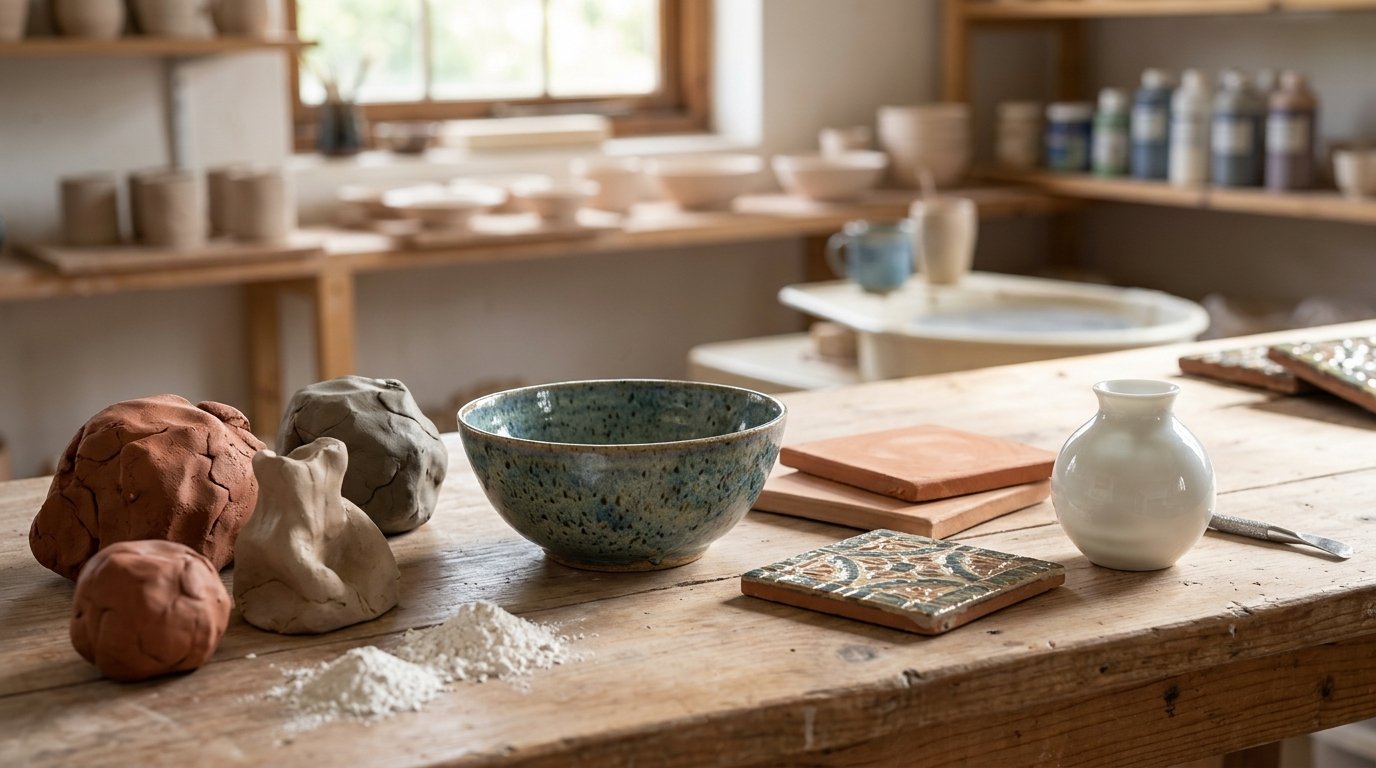
Sodiceram is an innovative ceramic material redefining modern design and industry with its superior strength, thermal resistance, and versatility. Unlike traditional ceramics, it offers enhanced durability, lightweight structure, and exceptional aesthetic flexibility. Widely used in architecture, interior design, and industrial applications, Sodiceram supports sustainable practices through eco-friendly production and long lifespan. Its unique properties make it a preferred choice for professionals seeking performance, beauty, and reliability in advanced material solutions.
Gone are the days when ceramics were limited to traditional applications. Today’s modern creations call for materials that can withstand the test of time while providing stunning aesthetics. Whether you’re looking to enhance an architectural marvel or create a cozy interior space, Sodiceram stands out as a top choice.
What makes this advanced ceramic so special? Let’s dive into the science behind it and explore why it’s gaining traction across various fields. The journey into the fascinating world of Sodiceram starts here!
Understanding the Science Behind Sodiceram
Sodiceram represents a significant advancement in ceramic technology. Its formulation combines traditional materials with innovative processing techniques, leading to enhanced performance and versatility. This unique blend allows for various applications, setting it apart from conventional ceramics.
At the heart of Sodiceram’s properties is its microstructure. The material features a finely engineered arrangement of particles that contributes to its strength and durability. This precise configuration ensures that stresses are evenly distributed throughout the structure, reducing vulnerability to cracking or breaking.
Heat resistance is another remarkable characteristic of Sodiceram. Unlike standard ceramics, which can shatter under extreme temperatures, Sodiceram maintains stability even in high-heat environments. This makes it an ideal choice for both architectural elements and industrial applications requiring thermal resilience.
The incorporation of advanced technologies during production further enhances its characteristics. Specialized firing processes create a denser material that minimizes porosity while increasing overall density—key factors influencing not only longevity but also aesthetic appeal.
The adaptability of Sodiceram means it can be customized according to specific requirements or design preferences. Whether used as tiles in homes or components in machinery, this modern ceramic meets diverse needs without compromising on quality or functionality.
You Might Also Like: Studiae
Unique Material Properties of Sodiceram
Sodiceram stands out in the world of materials due to its remarkable properties. Its high resistance to thermal shock makes it ideal for environments with fluctuating temperatures. This means that whether it’s a hot kitchen or a cold industrial setting, Sodiceram maintains integrity without cracking.
Another impressive feature is its lightweight nature. Unlike traditional ceramics, which can be bulky and heavy, Sodiceram offers durability without the added weight. This characteristic not only enhances ease of installation but also reduces transportation costs, making it an eco-friendly option.
The material’s excellent mechanical strength cannot be overlooked either. It withstands significant stress and pressure while remaining unblemished. This resilience is particularly beneficial in construction projects where safety and longevity are paramount.
Additionally, Sodiceram boasts exceptional chemical resistance. It does not easily react with acids or bases, ensuring that surfaces remain pristine over time even when exposed to harsh cleaning agents or environmental conditions.
One of the most appealing aspects of Sodiceram is its versatility in aesthetic applications. Available in various finishes and colors, it caters to diverse design preferences while maintaining all these functional benefits—making it a favorite among architects and designers alike.
Comparing Sodiceram to Traditional Ceramics
Sodiceram stands out prominently when compared to traditional ceramics. While both materials share a foundation in clay, the advancements in Sodiceram’s formulation elevate its performance dramatically. This modern ceramic incorporates innovative additives that enhance durability and strength, making it more resilient in various environments.
Traditional ceramics can be prone to chipping and cracking under stress. In contrast, Sodiceram’s unique composition allows it to withstand greater impacts without compromising its structural integrity. This feature makes it particularly appealing for high-traffic areas where longevity is essential.
Another area of distinction lies in aesthetics. Traditional ceramics often exhibit limited design options due to their manufacturing processes. On the other hand, Sodiceram offers an extensive palette of colors and finishes that cater to diverse architectural styles and personal preferences. The versatility provides designers with endless possibilities.
Thermal resistance is another critical factor where Sodiceram excels over traditional options. It maintains stable temperature fluctuations better than conventional ceramics, making it ideal for environments exposed to heat or cold variations—think kitchens or outdoor patios.
Maintenance requirements differ significantly between the two materials. Traditional ceramics may require regular sealing or special cleaning products to preserve their appearance and functionality over time. Conversely, Sodiceram has easy-to-clean surfaces that resist stains and grime buildup, simplifying upkeep for homeowners and businesses alike.
Diverse Applications in Architecture, Interior Design, and Industry
Sodiceram is transforming various sectors, particularly architecture. This advanced ceramic material boasts exceptional durability and aesthetic appeal, making it a favored choice for architects. From facades to structural elements, Sodiceram offers versatility that traditional materials often lack.
In interior design, the sleek finish of Sodiceram elevates spaces with modern elegance. Designers appreciate its ability to mimic natural textures while delivering consistent quality across large areas. It can be used for flooring, wall coverings, or decorative features that captivate attention.
The industrial sector also benefits from Sodiceram’s unique properties. It withstands extreme temperatures and harsh environments without compromising performance. Manufacturers utilize this material in applications ranging from machinery components to high-performance tools.
Moreover, the lightweight nature of Sodiceram allows for innovative designs in construction projects where reducing weight is crucial without sacrificing strength or safety standards. This adaptability opens new avenues for creative expression in building designs.
As sustainability becomes increasingly important across industries, incorporating eco-friendly materials like Sodiceram aligns well with contemporary values. Its long lifespan reduces waste over time while maintaining aesthetic qualities that resonate with environmentally conscious consumers and professionals alike.
Emphasizing Sustainability and Environmental Impact
Sodiceram stands out for its commitment to sustainability. As a modern ceramic material, it is designed with the environment in mind. This innovative product minimizes waste during production and offers longevity that reduces the need for replacements.
The manufacturing process of Sodiceram utilizes eco-friendly techniques that lower energy consumption. By reducing carbon emissions associated with traditional ceramics, it contributes positively to our planet’s health. Sustainable practices are woven into every step of its creation.
Furthermore, Sodiceram’s durability means fewer resources are used over time. Many building materials wear down quickly or require frequent maintenance and replacement. In contrast, products made from Sodiceram can withstand harsh conditions without compromising their integrity.
This advanced ceramic also encompasses recyclable elements, allowing for responsible disposal at the end of its life cycle. When you choose Sodiceram, you’re investing in a future where materials do not just contribute to landfills but can be repurposed effectively.
By emphasizing sustainable design principles throughout various applications—from architecture to interior design—Sodiceram showcases how modern materials can harmonize functionality with environmental responsibility. It’s an inspiring shift towards greener choices in many industries today.
Exploring Design Trends and Aesthetic Values
Sodiceram is not just a functional material; it’s a canvas for creativity. Designers are increasingly captivated by its versatility, allowing them to push the boundaries of traditional aesthetics. With various finishes and textures available, Sodiceram can seamlessly blend into any architectural style.
From sleek modern spaces to rustic interiors, the adaptability of Sodiceram enables designers to craft unique environments that reflect their vision. Whether it’s large-scale installations or intricate details in furniture design, this ceramic material can elevate any project with sophistication and flair.
Color trends also play a significant role in how Sodiceram is perceived. Earthy tones paired with vibrant accents create striking contrasts that catch the eye while maintaining harmony within a space. The color palettes inspired by nature resonate deeply with today’s eco-conscious consumers.
Geometric patterns have surged in popularity as well. They provide depth and interest without overwhelming a room’s overall design narrative. When integrated thoughtfully, these patterns enhance visual appeal while showcasing the precision engineering behind each piece of Sodiceram.
The aesthetic values associated with this innovative material extend beyond mere appearances. It reflects an ethos of sustainability and modernity, appealing to those who prioritize both beauty and ethical sourcing in their design choices.
You Might Also Like: Tsunaihaiya
Practical Considerations for Choosing Sodiceram
When selecting Sodiceram for your projects, it’s essential to consider its unique attributes. The material offers exceptional durability and strength, making it ideal for high-traffic areas in both residential and commercial settings. This can reduce maintenance costs over time.
Another key factor is the versatility of design options available with Sodiceram. It comes in a variety of colors, textures, and finishes that cater to different aesthetic preferences. Whether you’re looking for sleek modernity or rustic charm, there’s likely a Sodiceram solution that fits.
Sodiceram’s resistance to stains and scratches adds another layer of practicality. Unlike traditional ceramics that may show wear quickly, this advanced material maintains its appearance even under harsh conditions. This property can be particularly beneficial in environments like kitchens or bathrooms.
Consider also the ease of installation associated with Sodiceram products. Many applications come pre-finished or are designed to fit together seamlessly, which can save valuable time during construction or renovation processes.
Think about environmental impact when choosing materials for your projects. With its sustainable production processes and longer lifespan compared to conventional ceramics, opting for Sodiceram aligns with eco-friendly building practices while enhancing overall project value.
Addressing Common Questions and Concerns
As the popularity of Sodiceram continues to rise, so do the questions surrounding its use and performance. Many potential users wonder about its durability and how it compares with other materials in terms of wear and tear. The good news is that Sodiceram is engineered for exceptional strength. Its unique properties make it resistant to scratches, stains, and thermal shock.
Another common concern revolves around installation processes. While traditional ceramics may require extensive handling, Sodiceram’s lightweight nature simplifies installation without compromising quality or aesthetics. This characteristic often leads to reduced labor costs and time on projects.
Some people also express curiosity about maintenance requirements. Thankfully, maintaining Sodiceram surfaces is straightforward. A simple wipe down with a damp cloth usually suffices to keep them looking pristine.
Additionally, questions arise regarding its environmental impact during production and afterlife disposal. It’s crucial to note that many manufacturers prioritize sustainable practices when creating this advanced material. When properly disposed of at the end of life cycle, many components can be recycled effectively.
Safety concerns are prevalent as well; however, rest assured that certified products meet stringent safety standards before reaching consumers’ hands.
By addressing these queries openly, we encourage informed decision-making among architects, designers, builders—anyone considering incorporating Sodiceram into their projects!