

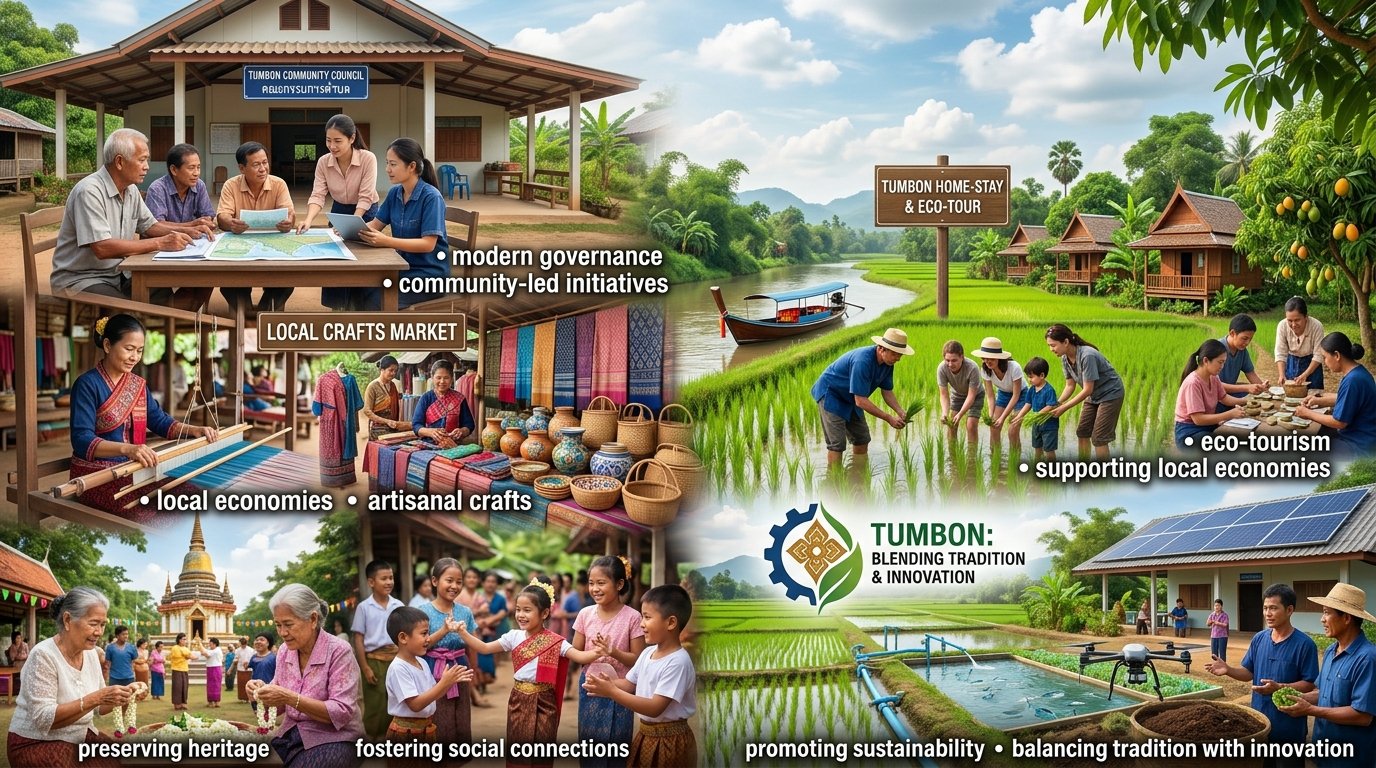
Tumbons are small administrative regions in Thailand that serve as the foundation of local communities, blending cultural traditions with modern governance. They play a vital role in fostering social connections, supporting local economies, preserving heritage, and promoting sustainability. From community-led initiatives to eco-tourism and artisanal crafts, Tumbons reflect the essence of Thai life while adapting to globalization. Their future lies in balancing tradition with innovation, making them key to Thailand’s cultural and social development.
As we delve into the world of Tumbons, we will uncover how these locales foster social connections and community spirit while navigating challenges posed by globalization. From their cultural significance to their role in environmental stewardship, Tumbons embody a microcosm of Thai society. Join us on this journey through Thailand’s local landscapes, discovering what makes these communities truly special. Whether you’re an armchair traveler or planning your next adventure, understanding Tumbons is essential for grasping the heartbeat of Thailand’s diverse culture.
Exploring Tumbons in Thailand
Tumbons are often the unsung heroes of Thailand’s rich cultural landscape. These small administrative units, typically encompassing a few villages, serve as vital hubs for local governance and community engagement. Each Tumbon is distinct, reflecting the traditions and customs that have been passed down through generations.
Traveling through these areas reveals vibrant markets filled with fresh produce and artisanal goods. The heart of each Tumbon beats in its communal gatherings, where residents celebrate festivals that showcase their heritage. From rice planting ceremonies to traditional dance performances, these events create bonds among neighbors and foster a sense of belonging.
In addition to cultural experiences, Tumbons offer stunning natural beauty. Lush rice paddies stretch across rolling hills while serene waterways weave through the landscape. This picturesque scenery provides not only a feast for the eyes but also sustains local livelihoods centered around agriculture and fishing.
Exploring Tumbons allows visitors to step off the beaten path into communities where life moves at a different pace—one defined by connection to nature and one another. It’s an invitation to experience authentic Thai culture away from bustling tourist spots.
Understanding Tumbons in Local Communities
Tumbons are the backbone of local communities in Thailand. They represent a unique blend of culture, tradition, and governance. Each tumbon is distinctive, shaped by its history and the people who live there. This localized structure allows for tailored approaches to community needs.
In these small administrative units, residents often engage more closely with their neighbors. This fosters a sense of belonging and mutual support that larger cities may lack. Tumbons encourage active participation in decision-making processes, ensuring that everyone’s voice can be heard.
Understanding tumbons also means recognizing their role as cultural hubs. Festivals, traditions, and rituals thrive here; these gatherings strengthen communal ties while preserving heritage. The vibrancy of local customs adds layers to the identity of each tumbon.
Moreover, this framework empowers locals to address issues directly affecting them—whether it’s education or resource management. By working together within their own contexts, communities become resilient forces capable of adapting to change while honoring their rich traditions.
Historical Context and Cultural Significance
Tumbons in Thailand have a rich historical backdrop that dates back centuries. These local administrative units reflect the evolution of Thai society and governance. Originally, they served as essential points for community organization, particularly in rural areas where traditional lifestyles flourished.
Culturally, Tumbons are significant as they embody local customs and traditions. Each Tumbon has its unique identity defined by festivals, rituals, and beliefs passed down through generations. This cultural tapestry fosters a sense of belonging among residents.
The social structures within these communities are intertwined with their histories. Elders often play pivotal roles in decision-making processes, drawing on wisdom accumulated over time to guide younger generations. This continuity strengthens communal ties.
Furthermore, Tumbons contribute to preserving indigenous practices such as crafts and agricultural methods. They act as custodians of history while adapting to contemporary challenges. As modern influences seep into the fabric of daily life, the importance of maintaining this cultural heritage becomes increasingly vital for future generations.
Governance Structures within Tumbon Communities
Governance within Tumbon communities in Thailand reflects a blend of traditional practices and modern administrative frameworks. Each Tumbon functions as a local unit, often with its own elected councils responsible for decision-making. These councils play a crucial role in shaping community policies that directly impact residents’ lives.
Local leaders typically emerge from the community, establishing trust and fostering participation among members. Their positions are not just about authority; they’re also about accountability to the people they serve. This connection helps ensure that governance remains relevant to the needs of the community.
Decisions regarding resource management, infrastructure development, and social services are made collaboratively. Community meetings allow residents to voice their concerns and suggestions, creating an inclusive atmosphere where everyone can contribute. This participatory approach strengthens social bonds among members.
However, challenges do exist. Balancing traditional customs with government regulations can create tension within Tumbons. External pressures from urbanization or tourism may influence local governance structures as well, prompting communities to adapt while trying to maintain their unique identity.
Impact of Tumbons on Local Life
Tumbons in Thailand play a pivotal role in shaping local life. These small administrative units foster a sense of belonging among residents, creating tight-knit communities that thrive on mutual support. People often come together to address common challenges and celebrate shared traditions, enhancing their overall quality of life.
The social fabric within Tumbons nurtures relationships that go beyond mere acquaintance. Neighbors collaborate on projects, share resources, and provide assistance during difficult times. This interconnectedness cultivates an environment where everyone feels valued and included.
Economic activities are also influenced by the dynamics of Tumbon communities. Local markets spring up as vendors sell produce and handmade goods from surrounding areas. This boosts not only individual livelihoods but also encourages sustainable practices that benefit the entire community.
Furthermore, cultural celebrations rooted in Tumbon traditions contribute significantly to local identity. Festivals featuring traditional music, dance, and cuisine attract visitors while reinforcing pride among residents. Such events weave history into everyday life, reminding people of their heritage while fostering unity across generations.
Social and Economic Influence
Tumbons play a pivotal role in shaping the social and economic landscape of local communities in Thailand. These small administrative units serve as vital hubs for collaboration, fostering connections among residents. The communal spirit found within Tumbon life encourages cooperation on various projects, from infrastructure development to cultural events.
Economically, Tumbons contribute significantly by promoting local businesses and initiatives. Farmers markets and artisan fairs often take place here, allowing locals to showcase their products. This not only stimulates the economy but also supports sustainable practices that benefit both people and nature.
The influence reaches beyond mere economics; it cultivates a sense of identity among community members. Residents engage more actively when they feel connected to their cultural roots through shared traditions and values fostered by Tumbon governance structures.
Socially, these communities encourage participation in decision-making processes, empowering individuals to voice concerns or ideas regarding local issues. As citizens collaborate on challenges like education or health care access, they build resilience while enhancing overall quality of life within their neighborhoods.
Environmental Considerations
Tumbons play a crucial role in environmental stewardship within their communities. Traditionally, these localities have relied on sustainable practices that reflect an intimate relationship with nature. This connection fosters respect for the environment and encourages conservation efforts among residents.
Many Tumbon communities prioritize preserving natural resources, such as water and forests. They often implement eco-friendly agriculture techniques to minimize chemical use, ensuring that land remains fertile for generations. These practices not only protect biodiversity but also enhance food security.
Community-led initiatives focus on waste management and recycling programs tailored to local needs. By engaging in these activities, Tumbons raise awareness about pollution and its effects on health and livelihoods. Residents are motivated to take active roles in safeguarding their surroundings.
Additionally, some Tumbons promote ecotourism as a means of economic development while conserving nature. Visitors can experience stunning landscapes without compromising ecological integrity. This blend of tourism and preservation showcases how traditional values can align with modern sustainability goals.
Balancing Tradition with Modernization
Tumbons in Thailand are at a fascinating crossroads where tradition meets modernization. As global influences seep into rural areas, communities face the challenge of preserving their rich cultural heritage while embracing new ideas and technologies.
Many Tumbon leaders recognize that adapting to modernity can coexist with traditional practices. They often incorporate contemporary methods in agriculture or crafts without losing sight of their roots. This blend creates unique products that appeal to both local markets and tourists seeking authentic experiences.
However, the balance is delicate. Rapid urbanization poses risks to age-old customs and communal lifestyles. Younger generations might gravitate toward city life, leaving behind cherished traditions for economic opportunities elsewhere. It’s imperative for Tumbon communities to find ways to engage youth in their cultural practices actively.
Efforts like workshops on traditional arts or festivals celebrating local history have emerged as effective tools for connection. These initiatives not only honor the past but also showcase how time-honored skills can thrive alongside innovative approaches, ensuring sustainability within these vibrant communities.
Case Studies and Success Stories
Tumbons across Thailand showcase remarkable stories of community resilience and innovation. In one village, a group of women came together to revive traditional weaving techniques, transforming their craft into a sustainable income source. Their vibrant textiles not only reflect cultural heritage but also attract tourists seeking authentic experiences.
Another inspiring example is found in the Tumbon that established an eco-tourism initiative. By promoting local biodiversity and preserving natural resources, they created jobs while educating visitors about environmental conservation. This project has fostered pride among residents as they share their unique ecosystem with the world.
In yet another case, a Tumbon leveraged technology to boost agricultural productivity. Farmers collaborated to form cooperatives that accessed digital platforms for sharing knowledge on sustainable practices. The result was improved crop yields and stronger market ties.
These examples illustrate how Tumbons can adapt and thrive amidst change. They highlight the power of collaboration within communities, showcasing diverse approaches tailored to local needs while honoring traditions that make each area unique.
Promoting Local Crafts and Artisanal Skills
Tumbons in Thailand are vibrant hubs where local crafts and artisanal skills thrive. These communities, steeped in tradition, often showcase handmade goods that reflect their unique cultural heritage. By promoting local craftsmanship, Tumbons not only preserve age-old techniques but also empower artisans to sustain their livelihoods.
Artisans take pride in creating beautiful products using materials sourced from their surroundings. From intricate textiles to hand-carved wooden items, each piece tells a story of the community’s identity. This connection fosters a sense of belonging among residents while attracting visitors eager to experience authentic Thai culture.
Markets held within Tumbons offer platforms for artisans to display and sell their creations. Engaging with locals and tourists alike strengthens the bond between creators and consumers. It encourages appreciation for handcrafted goods over mass-produced alternatives.
Workshops often pop up around these markets, allowing people to learn traditional skills firsthand. Visitors can participate in crafting sessions led by skilled artisans, deepening their understanding of Tumbon culture while supporting sustainable practices that benefit both individuals and the community as a whole.
Empowering Community-Led Initiatives
Community-led initiatives are transforming Tumbons across Thailand. These grassroots movements allow locals to address their unique challenges and aspirations directly. By harnessing local knowledge, strengths, and resources, communities can create solutions that resonate with their cultural values.
Engagement is vital in these initiatives. When community members come together, they share insights and collaborate on projects that benefit everyone involved. This includes everything from sustainable farming practices to educational programs aimed at preserving traditional crafts. Empowerment fosters ownership; people feel more invested when they see tangible results stemming from their efforts.
Moreover, these initiatives often attract external support. Non-governmental organizations and government agencies recognize the value of community-driven approaches and provide funding or training opportunities. As communities work together towards common goals, they gain skills that enhance overall resilience.
The spirit of cooperation in Tumbons showcases a powerful model for development. By prioritizing local voices and perspectives, these initiatives not only improve daily life but also strengthen social bonds within the community—reinforcing a sense of belonging while championing self-sufficiency.
Future Prospects for Tumbons in Thailand
The future of Tumbons in Thailand looks promising, as communities navigate the balance between tradition and modernization. As globalization continues to influence local cultures, many Tumbon communities are finding innovative ways to preserve their heritage while embracing new opportunities.
Efforts are underway to integrate technology into traditional practices. This includes using social media for promoting local crafts or engaging younger generations in community governance through online platforms. By fostering a sense of pride and encouraging participation among youth, Tumbons can maintain their cultural significance.
Furthermore, eco-tourism is gaining traction as travelers seek authentic experiences. Communities that showcase their unique traditions attract visitors who appreciate cultural diversity and sustainable practices. This influx of tourism can lead to economic benefits while ensuring that traditions remain vibrant.
Collaboration with government agencies and NGOs is also crucial for empowering these communities. With proper support, Tumbons have the potential to enhance their self-governance structures, leading to more robust decision-making processes at the local level.
As awareness grows about the importance of preserving cultural identities amidst rapid change, there’s hope for a stronger emphasis on sustainability and community involvement within Tumbons across Thailand. The journey ahead will require dedication but holds great promise for enriching both lives within these communities and creating meaningful connections beyond them.